Hypothermia is a life-threatening condition that occurs when your body loses heat faster than it can produce it, causing a dangerous drop in core body temperature. Normal body temperature hovers around 37°C (98.6°F), but hypothermia begins to set in when the temperature drops below 35°C (95°F). It’s like your body deciding to throw a surprise winter party, and you didn’t RSVP. While it’s common in cold environments, even mild weather can trigger hypothermia if you're exposed to wind, rain, or submersion in cold water... basically, if you’re not prepared, Mother Nature might just throw you a cold shoulder.
When Does Hypothermia Kick In?
Hypothermia can start within minutes to hours, depending on how severe the cold exposure is. The three main stages of hypothermia... mild, moderate, and severe... are defined by different symptoms and body temperature drops:
Mild Hypothermia (32–35°C or 89.6–95°F): Shivering, dizziness, confusion, and fatigue. This is like when you can’t decide whether to have a hot chocolate or a cold beer... your brain is just too chilly to function properly.
Moderate Hypothermia (28–32°C or 82.4–89.6°F): Stronger shivering, difficulty speaking, loss of coordination, and irrational behavior. You might find yourself contemplating why you thought it was a good idea to take that dip in the cold bath in the first place.
Severe Hypothermia (below 28°C or 82.4°F): Shivering stops, slurred speech, muscle rigidity, loss of consciousness, and possibly death. At this point, you’re no longer at the party... you’ve become the guest no one wants to remember.
Hypothermia can develop after prolonged exposure to cold weather, cold water, or when you're wet, poorly dressed, or unable to find shelter. So, when you see your buddy wearing flip-flops in a snowstorm, it’s time for a gentle intervention.
How Does Hypothermia Kill Someone?
When hypothermia sets in, your body begins to prioritize keeping vital organs (the brain, heart, and lungs) warm by diverting blood from your extremities. As your core temperature continues to drop, your body’s ability to function decreases. In severe cases:
Heart Failure: Hypothermia slows down heart rate and can lead to abnormal heart rhythms, eventually causing cardiac arrest. Think of it as your heart deciding it needs a nap, but it can’t afford the luxury.
Organ Failure: Without proper circulation, organs begin to shut down, kind of like how your motivation shuts down when you see your ex.
Respiratory Failure: Muscles that control breathing can become too stiff to function, leading to suffocation. It’s the ultimate party ender when your body decides to leave and you want to stay but gasping for air.
Brain Function Decline: Confusion and poor decision-making from brain hypoxia increase the risk of dangerous actions, such as removing clothes or seeking improper shelter, worsening the situation. At this point, you’re not just cold; you’re the poster child for bad life choices.
How to Survive Hypothermia: Treatment and Prevention
Prevention First!
Preventing hypothermia is always better than treating it. Follow these tips when venturing into cold environments:
Dress in Layers: Wear moisture-wicking materials closest to the skin to keep dry, and top layers made of wool or down to insulate. It’s like building a fashionable snowman, but for yourself!
Stay Dry: Wet clothing accelerates heat loss, so avoid getting wet from rain, snow, or sweat. Nobody wants to walk around resembling a soggy dog.
Use Shelter: Find shelter or build a wind-blocking structure to conserve heat. You’ll be the cozy gnome everyone envies in the winter wonderland.
Treatment for Hypothermia
Get to a Warm Area: Move the person to a warmer place and remove any wet clothing. Strip down like you just finished a polar plunge... safely and with some modesty, of course.
Insulate the Body: Cover the person with blankets or jackets, particularly around the head and neck. Everyone loves a good snuggle, even if it’s for survival.
Apply Warmth to the Core: Use warm (not hot) compresses on the chest, neck, and groin. Avoid applying heat directly to arms and legs, as this can cause shock by sending cold blood back to the heart. Think of it as warming up your car before you drive... don’t spin it!
Give Warm Fluids: If the person is conscious, offer warm (non-alcoholic) fluids like soup or tea to help raise internal body temperature. Trust me; soup is the ultimate winter hug in a bowl.
Emergency Help: In severe cases, immediate medical attention is crucial. Call emergency services and continue warming the person until help arrives. Don’t worry; help is on the way, just like the pizza delivery you’ve been waiting for.
Conclusion
Hypothermia is a dangerous condition that can lead to death if not treated promptly. Knowing when it kicks in, how it affects the body, and the steps to prevent and treat it could mean the difference between life and death. With recent heavy snowfall on the N3 highway at Van Reenen's Pass in South Africa and reports of radio presenter Penny Ntuli ending up in the hospital due to the cold, it’s crucial to remain vigilant and prepared when traveling in frigid conditions.
Bundle up, keep that hot chocolate flowing, and always remember: when in doubt, seek shelter and don’t be the chilly hero who bravely battles the cold without a plan! Stay safe out there, and let’s keep the adventures fun and frostbite-free!
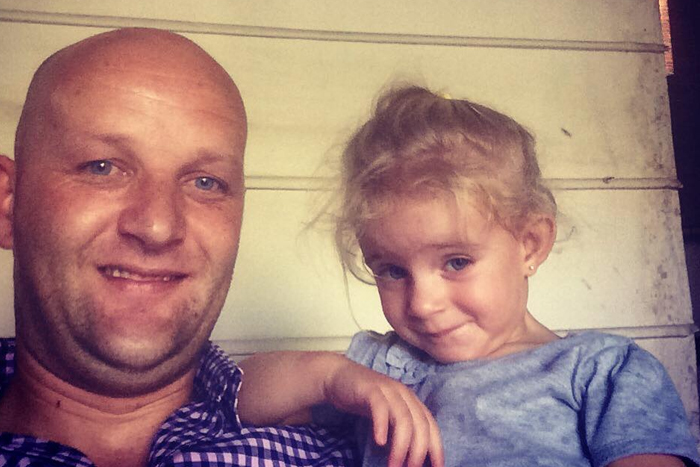
Martin is a digital marketing specialist, a producer and always online. His educational background is Digital Marketing and has given him a broad base from which to approach many topics. His little girl comes first and in his spare time he really enjoys making music and creating content.
Erm... what the F&^% dude?
Where are you going? Visit The eMinGy Store, duh?!
Have you not seen what's inside My Store yet? Click HERE and go buy something! Please support!
Signed up to my newsletter? Do that now dude!
Twitter
Don't forget to follow me on X (formerly Twitter)!
And if you are leaving... Thank you for coming by! See you soon.


















 martin_grobler